
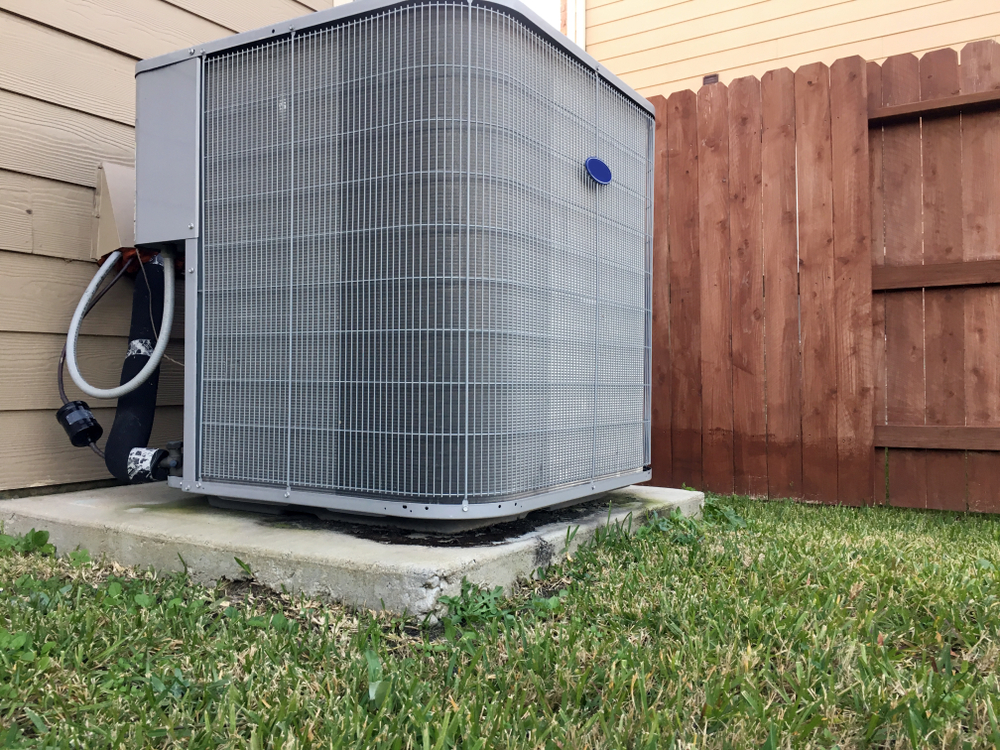
Have you heard your technician mention refrigerant when your AC system stopped cooling properly? Or maybe you were recently told that your unit uses an outdated refrigerant, and now you’re wondering what that even means. If so, you’re not alone. Many homeowners in Phoenix and throughout the West Valley have questions about HVAC refrigerants, especially as new regulations continue to change the industry.
Ultimately, understanding how refrigerants work and why certain types are being phased out can help homeowners make smarter decisions about AC repairs, maintenance, and future system replacements.
What Are HVAC Refrigerants & How Do They Work?
HVAC refrigerants are specialized chemical compounds used inside air conditioning and heat pump systems to cool a home. Despite what many people think, refrigerant doesn’t actually “create” cold air. Instead, it moves heat from inside your home to the outdoors, which allows your home to feel cooler and more comfortable.
Here’s a simplified breakdown of how the process works:
- The refrigerant absorbs heat from the indoor air through the evaporator coil.
- The refrigerant then travels to the compressor, where it becomes pressurized.
- The heated refrigerant moves to the outdoor condenser coil.
- Heat is released outdoors, and the refrigerant cools back into a liquid before repeating the cycle.
Without refrigerant, your air conditioner simply cannot cool your home effectively. That’s why refrigerant-related issues can quickly lead to uncomfortable indoor temperatures.
The Differences Between Older & Newer Refrigerants
Over the years, the HVAC industry has transitioned away from older refrigerants that were found to be harmful to the environment. If your system is older, there’s a chance it may use a refrigerant that is now being phased out or is already discontinued. Some of the most recently phased out refrigerants include R-22 and R-410A.
R-22 HVAC Refrigerant
One of the most well-known older refrigerants is R-22, often called Freon. For many years, R-22 was commonly used in residential air conditioning systems. However, researchers discovered that it contributes to ozone depletion, leading to environmental concerns. Because of this, production and import of R-22 were officially phased out in the United States, which means it is no longer manufactured for new systems.
As a result:
- R-22 has become increasingly expensive.
- Repairs involving R-22 systems can be costly.
- Replacement refrigerant supplies are limited.
- Older systems using R-22 are becoming less practical to maintain long-term.
In the end, homeowners with older systems may find that major refrigerant repairs simply aren’t worth the investment compared to replacing the unit.
R-410A
For many years, R-410A (Puron) became the primary replacement for older R-22 refrigerant because it does not contribute to ozone depletion and allows air conditioning systems to operate more efficiently. However, the HVAC industry is continuing to evolve, and R-410A is now being phased out due to environmental concerns related to global warming potential (GWP).
This doesn’t mean homeowners with R-410A systems need to panic or replace their equipment immediately. In fact, many R-410A systems will continue operating effectively for years with proper maintenance. It’s simply important to note that, as the years go by, supplies of R-410A refrigerant will deplete and repairs will become more expensive.
The Next Generation (R-454B and R-32)
The industry is currently transitioning to A2L refrigerants, as they are even more environmentally friendly and efficient. If you bought a new AC system in 2025 or early 2026 or plan to buy one in the near future, these are likely the refrigerants your new unit will use.
Signs Your AC System May Have a Refrigerant Issue
Unlike fuel in a car, refrigerant should not “run out” under normal circumstances. If refrigerant levels are low, there is usually a leak somewhere in the system.
Here are some common signs your AC system may have a refrigerant problem:
- Warm Air Coming From Vents: If your AC is running but blowing warm or slightly cool air instead of cold air, low refrigerant levels could be preventing proper heat transfer.
- Longer Cooling Cycles: An air conditioner struggling with refrigerant issues often has to work harder and run longer to reach the desired temperature.
- Ice Buildup on Refrigerant Lines or Coils: Low refrigerant pressure can cause the evaporator coil to become too cold, leading to frozen coils or visible ice buildup.
- Hissing or Bubbling Sounds: These sounds may indicate a refrigerant leak within the system’s lines or components.
- Higher Energy Bills: An inefficient system working harder to cool your home will often consume more energy, leading to increased utility costs.
Why Refrigerant Leaks Should Always Be Handled by Professionals
If you suspect a refrigerant leak, you need to call a professional HVAC technician for repairs as soon as possible. Do not attempt any DIY fixes! Refrigerant handling is strictly regulated for several reasons:
- Health Hazards: Refrigerant is toxic. Inhaling it can cause dizziness, asphyxiation, and skin damage (refrigerant burns).
- Environmental Impact: Venting refrigerant into the atmosphere contributes to ozone depletion and climate change.
- Proper Sizing: You can’t just top off a system. A digital scale is needed to “charge” the system with the exact weight of refrigerant specified by the manufacturer. Too much or too little refrigerant can destroy your compressor.
Please note that, in addition to being incredibly dangerous, repairing refrigerant leaks on your own can lead to liability issues. In fact, it is illegal for anyone without an EPA Section 608 certification to purchase or handle most refrigerants.
A trained HVAC technician can properly locate the leak, repair the damaged component, test the system, and recharge refrigerant levels according to manufacturer specifications.
Trust Autumn Air Heating & Cooling for Refrigerant & AC Solutions
At Autumn Air Heating & Cooling, we help West Valley homeowners navigate refrigerant concerns with ease. Our team works with an array of modern cooling systems and understands the latest refrigerant technologies, industry regulations, and energy-efficient replacement options. So, if your AC system needs an inspection, a refrigerant leak repair, or a full replacement, you can count on us to provide the best solution.
Contact our team today to schedule AC services and let our experienced team help keep your home cool and efficient year-round.