
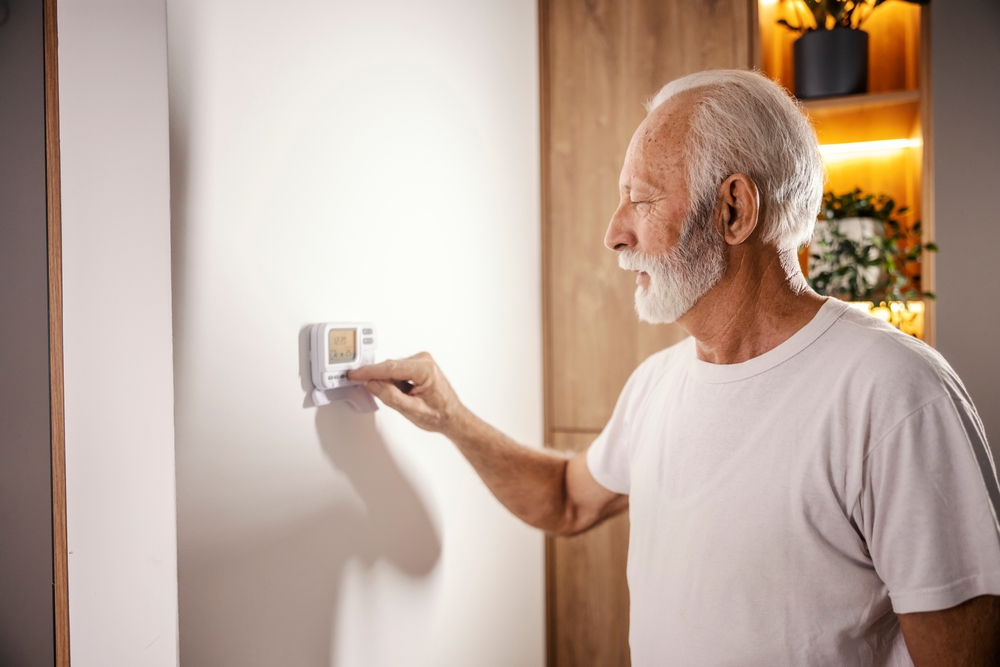
If you’ve ever found yourself debating whether to turn your heat completely off during a warm Arizona afternoon or whether constantly adjusting the thermostat is doing more harm than good, you’re not alone. Thermostat management is a common topic of discussion among homeowners, especially during the shifting temperatures of an Arizona winter. When mornings can feel chilly, afternoons surprisingly mild, and evenings frosty, finding the right temperature on your thermostat can be difficult, especially when you’re trying to balance comfort with improving energy efficiency and extending the life of your heating system.
As a trusted heating company in Avondale, AZ, we’re here to tell you that, while it may seem harmless to flip your heater on and off as temperatures fluctuate, frequent cycling can have long-term consequences for both your utility bills and your HVAC equipment. Let’s take a closer look at how this habit affects your system, and what smarter alternatives can help protect your comfort and your investment.
How Turning the Heat On and Off Impacts Your Energy Bills
One of the biggest misconceptions homeowners have is that turning the heat on and off frequently will automatically save energy. In reality, this approach can often do the opposite.
Every time your heating system turns on, it requires a surge of energy to start up. This initial burst (often referred to as a startup spike) uses more electricity or fuel than maintaining a steady indoor temperature. When the system is constantly cycling on and off, those repeated spikes add up quickly, leading to higher monthly energy bills.
So, the thing to remember here is that maintaining a stable temperature, even if it’s slightly lower when you’re away, helps your system operate more efficiently and keeps energy costs predictable throughout the season.
The Physical Strain of Startup Spikes on HVAC Components
Beyond energy usage, frequent on-and-off cycling places real physical strain on your heating system’s internal components. Each startup forces motors, electrical connections, burners, and heat exchangers to engage all at once. Over time, these repeated stress points can cause premature wear.
Eventually, the overall lifespan of your heating unit is shortened. In fact, we’ve frequently seen systems that should last 15 to 20 years begin to experience breakdowns much sooner since they were subjected to frequent cycling.
Turning the System Off vs. Lowering the Temperature
So, if turning the system off frequently is harmful, should you leave it at 72 degrees 24/7? Not necessarily. The industry standard for efficiency is utilizing setbacks rather than shutoffs.
A setback involves lowering the thermostat setting by 7 to 10 degrees for 8 hours a day (usually while you are at work or sleeping). The Department of Energy suggests this can save roughly 10% a year on heating and cooling.
The difference here is crucial:
- Lowering the temperature keeps the thermal mass of the house from getting too cold. The furnace runs less often, but the house doesn’t turn into an icebox.
- Turning the system off abandons the thermal envelope entirely, forcing the system to work harder and longer to bring the temperature back to a comfortable level. This intense workload increases energy use and component strain.
For the mild but fluctuating Arizona winters, a setback strategy is ideal. It acknowledges that you don’t need high heat during the sunny afternoons, but it prevents the system from having to work overtime when the desert chill sets in at night.
Pair a Setback Strategy With Programmable and Smart Thermostats
If managing thermostat settings manually feels like a guessing game, programmable and smart thermostats could be your best friend.
Programmable thermostats allow you to schedule temperature changes throughout the day, ensuring your system runs efficiently without constant adjustments. Smart thermostats take this a step further by learning your habits, responding to outdoor temperature changes, and even allowing remote access through your smartphone.
Benefits of upgrading your thermostat include:
- Reduced short cycling by maintaining consistent temperature transitions
- Improved energy efficiency without sacrificing comfort
- Less wear and tear on heating system components
- Greater convenience, especially during unpredictable Arizona weather
With the right thermostat in place, your heating system can operate the way it was designed to — steadily, efficiently, and with fewer unnecessary startups.
Partner With the Pros for System Longevity
Heating systems are complex, and even well-intentioned habits can have unintended consequences. Partnering with a knowledgeable heating repair team ensures your system is set up, maintained, and operated in a way that maximizes both comfort and longevity.
Our professional technicians can evaluate your system’s performance, recommend thermostat settings tailored to your home, and identify early signs of wear caused by short cycling or frequent restarts. We can also perform routine maintenance to help keep components clean, calibrated, and running efficiently throughout Arizona’s cooler months.
If you’re concerned that your heating system may be struggling or you want expert guidance on how to operate it more efficiently, now is the perfect time to connect with a trusted HVAC professional. Contact Autumn Air Heating & Cooling today to schedule service and enjoy greater comfort, efficiency, and peace of mind all season long. (And if your system needs more than repairs, trust that we’ll provide affordable and effective heating replacement services!)