
If you’re reading this, you might be standing at a crossroads that feels all too familiar to homeowners: analysis paralysis.
It usually starts when your heating system makes a strange noise or, worse, stops working entirely on one of those brisk January mornings. Suddenly, you’re diving into forums, reading technical specs, and trying to decipher terms like “AFUE ratings” and “HSPF coefficients.” It’s overwhelming.
Here is the good news: You live in Avondale, Arizona.
Because we are in the West Valley, the standard “rules” of home heating you might read about on national websites don’t always apply to us. We don’t battle sub-zero blizzards or ice storms. Our winters are mild, dry, and relatively short. This unique climate means you have more options than a homeowner in Chicago or Boston, but it also makes the choice between a heat pump and a gas furnace a little trickier.
Fortunately, you don’t have to make this decision alone. As a family-owned and operated HVAC company serving the West Valley since 2003, Autumn Air Heating & Cooling has helped countless homeowners make sense of this exact decision. And we’re here to help you see how heat pumps and furnaces stack up in mild winter climates like Avondale.
How Heat Pumps Perform in Mild Winter Climates
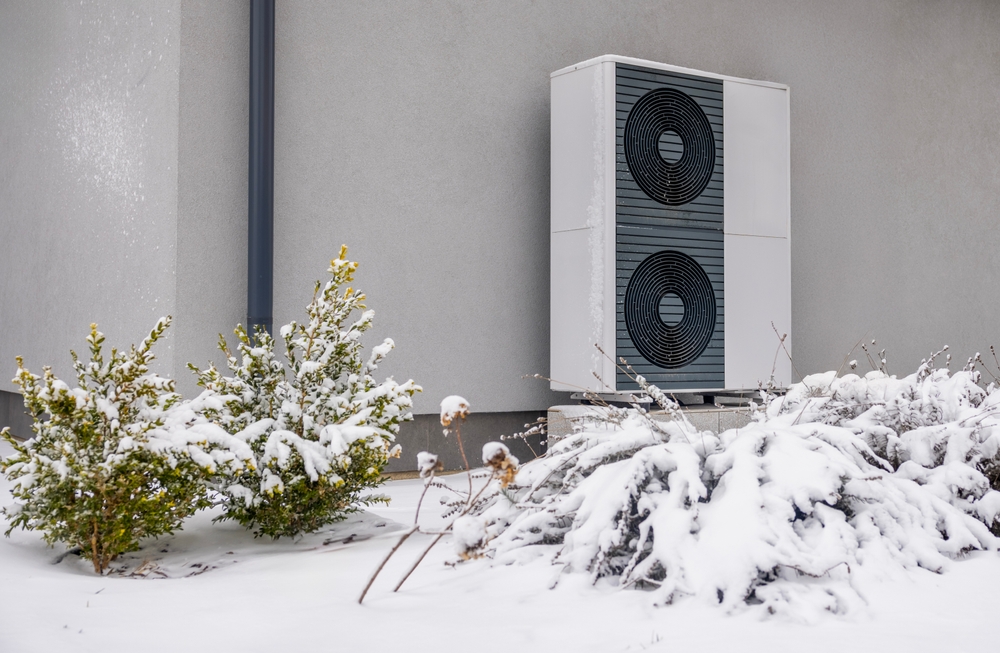
Heat pumps are often an excellent match for mild winter regions like the West Valley. Rather than generating heat through combustion, heat pumps work by transferring heat from the outdoor air into your home. Even when outdoor temperatures feel cool, there’s still enough heat available for the system to operate efficiently.
One of the biggest advantages of a heat pump installation is its energy efficiency. Because it moves heat instead of creating it, a heat pump typically uses less energy than a traditional furnace in moderate climates. This can translate into noticeable savings on monthly utility bills, especially during the long shoulder seasons when temperatures fluctuate.
How Furnaces Compare to Heat Pumps
Furnaces have long been the go-to heating option for American homes, and for good reason. They are known for delivering powerful, reliable heat quickly, which is especially comforting during colder mornings.
In mild winter climates, however, that strength can be more than what’s needed. Furnaces are designed to handle sustained cold temperatures, which means they may cycle on and off frequently in Arizona winters. This can sometimes lead to temperature swings, with your home warming up fast, then cooling down again before the system restarts.
That said, furnaces still offer dependable performance and are familiar to many homeowners. And for some people, nothing can compare to the feeling of furnace heat.
Factors to Consider When Choosing Between Heat Pumps vs. Furnaces
Energy Efficiency
When it comes to operating costs in desert climates, efficiency matters more than raw heating power. Heat pumps generally come out ahead in mild winters because they consume less energy while maintaining comfort. Over time, this can result in lower utility bills, especially if your system is used lightly throughout the winter months.
Furnaces, particularly gas models, can still be cost-effective, but their efficiency advantage tends to shrink in climates where they rarely need to run at full capacity. In some cases, homeowners may end up paying for heating capabilities they don’t truly need.
Installation Costs
Upfront installation costs can vary depending on your home’s existing setup. For example, heat pumps may require a higher initial investment in some situations, while furnace replacements can be more budget-friendly if gas infrastructure is already in place. The key to choosing between a heat pump and a furnace is weighing short-term costs against long-term energy savings.
Comfort
Heat pumps excel at maintaining steady indoor temperatures, which many homeowners find more comfortable during mild winters. These units also tend to operate quietly and continuously rather than blasting hot air in short bursts.
Furnaces, while effective, often create more noticeable temperature fluctuations. While some homeowners enjoy that quick warmth, others prefer the smoother operation of a heat pump.
Maintenance & Longevity Differences
Maintenance requirements are fairly similar for both systems, with regular professional tune-ups helping to extend lifespan and ensure efficiency. With proper maintenance, heat pumps typically last around 15 years, while furnaces can last slightly longer. That said, longevity depends heavily on usage and installation quality as well as maintenance habits.
Which System Is Right for Your Home?
Choosing between a heat pump and a furnace ultimately comes down to your home and lifestyle. For example, homeowners who value energy efficiency, lower operating costs, and year-round versatility often lean toward heat pumps in mild climates.
On the other hand, those who prefer traditional heating performance or already have a furnace system in place may find that a furnace still meets their needs comfortably while fitting into their budgets.
So, there’s no universal answer, and that’s okay. The best choice is the one that aligns with how you live, what you value in comfort, and how you want to manage long-term energy costs.
Get Expert Guidance From a Local HVAC Team
At Autumn Air Heating & Cooling, we know that buying a new HVAC system is one of the biggest investments you’ll make for your home. We also know that “one size fits all” is a myth, and what works for your neighbor in Goodyear might not be right for your older home in historic Avondale.
Don’t let analysis paralysis leave you shivering this winter. Let our technicians help you decide between a heat pump and a furnace. We will assess your current setup and provide you with an honest recommendation tailored to your home.
Ready to find your perfect match? Call Autumn Air today to schedule your assessment. We’re your best friend on a hot day, a cold day, and every day in between!